My most recent brush with burnout came while preparing for Step 2. I didn’t even realize it was possible to feel burnt out without being actively “at work” or in a healthcare setting. I often felt drained, emotionally flat, and stuck in this loop of feeling stuck. It was as if the phase would never end.
Over the years, I have realized that caring for my mental health is my own responsibility. I did not grow up in an environment where mental health was even acknowledged, let alone prioritized. It simply wasn’t part of the culture. But I do see change slowly, yet surely, finding its way in.
So, what exactly is burnout? Most definitions circle around the same idea: it’s the result of prolonged psychosocial stress, where the demands of your work exceed the resources you have to meet them.
The best description I’ve come across in medical literature puts it this way: burnout is an emotional state that develops when the relentless stressors and pitfalls of the profession overshadow the hard-won achievement of becoming a physician. Its hallmark is emotional exhaustion, but it often brings along physical fatigue, a sense of reduced professional efficacy, cynicism, and even cognitive difficulties.
Literature about burnout dates back to the mid-1970s, when the term emerged in social and work psychology. The most widely used framework describes burnout as having three key dimensions: overwhelming emotional exhaustion, depersonalization, and a sense of ineffectiveness or lack of personal accomplishment. Later writers argued that depersonalization and detachment may not always be present. However, despite several differences, emotional exhaustion remains the primary component of burnout syndrome. As this was discussed more and more, it became clear that it isn’t limited to the workplace. Symptoms of exhaustion due to long-term stress exposure can be the result of any situation that is emotionally demanding.
Although there is no definitive evidence directly linking the Hypothalamus-Pituitary-Adrenal (HPA) axis to burnout, stress, and fatigue have been associated with adrenal and HPA axis activity in the literature since the 1960s. A common hypothesis suggests that in the early stages of chronic stress, HPA axis and sympathetic nervous system activity are elevated. Over time, with prolonged stress, these systems may downregulate, eventually leading to HPA hyporeactivity and reduced vagal tone in clinical burnout.
Over the past decade, physician wellness has finally been getting the attention it deserves, and mental health is being taken more seriously. Sure, we’re ultimately responsible for our own well-being, but it definitely helps to be in a place that actually supports it.
At different points in my life, I’ve felt that all-consuming emotional exhaustion. I’ve been lucky to have the time, space, and resources to do what I needed to get through it and push myself. As rough as it was, I did feel lighter once the exam was over.
Reflecting on that time, here are some of the things that really helped me:
- Taking it one day at a time. The most important one. Looking at each day as a fresh start helped me the most. If you let the emotions of one day spill into the next, the days just blur into one big blob. And honestly, I can’t be the only one who feels like 2025 has been flying by. It does help to take it a day at a time and slow down from that feeling.
- Movement. So underrated. For me, working out meant actually leaving the house, driving to the gym, whining to myself for the first 50 minutes, and then finally feeling the serotonin hit in the last 10. That’s when I’d notice the positive shift. More than once, I caught myself thinking, “Why didn’t I do this sooner?” I’ve also started enjoying weights and strength training (still very much a work in progress).
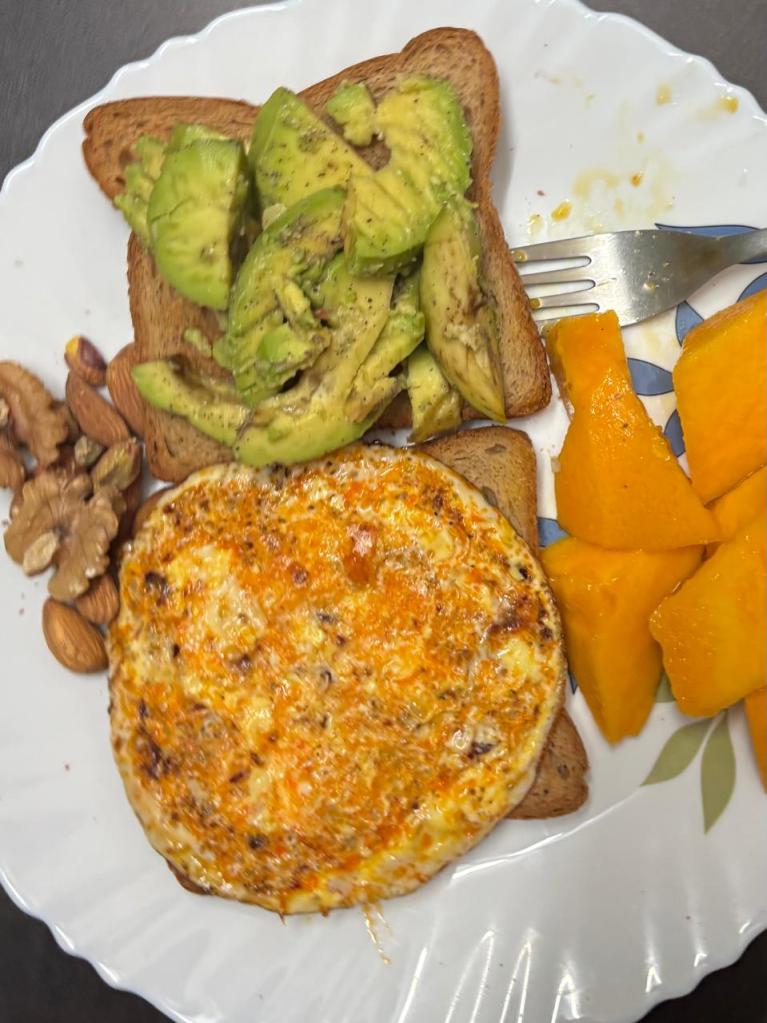
- Balanced meals. I made it a point to prepare a breakfast I knew I’d enjoy. My go-to was eggs, avocado, and toast, sometimes with coffee on the side. But not every day. As a coffee lover, it was hard to admit that espresso was absolutely wrecking my nervous system, but I did make the tough choice to skip it on some days. I realized that prioritizing ✨protein✨made a huge difference. Sometimes, even mild hunger or snacking out of boredom would derail my focus. Protein helped by keeping me full and fuelling my brain to keep studying and tackle tasks. On some days, my meals were just a protein shake, low effort but high satiety. If you had asked me a few years ago, I would’ve laughed at the idea. But I guess that’s what “adulting” means, realizing that sometimes a quick shake is what you need to get through the day.
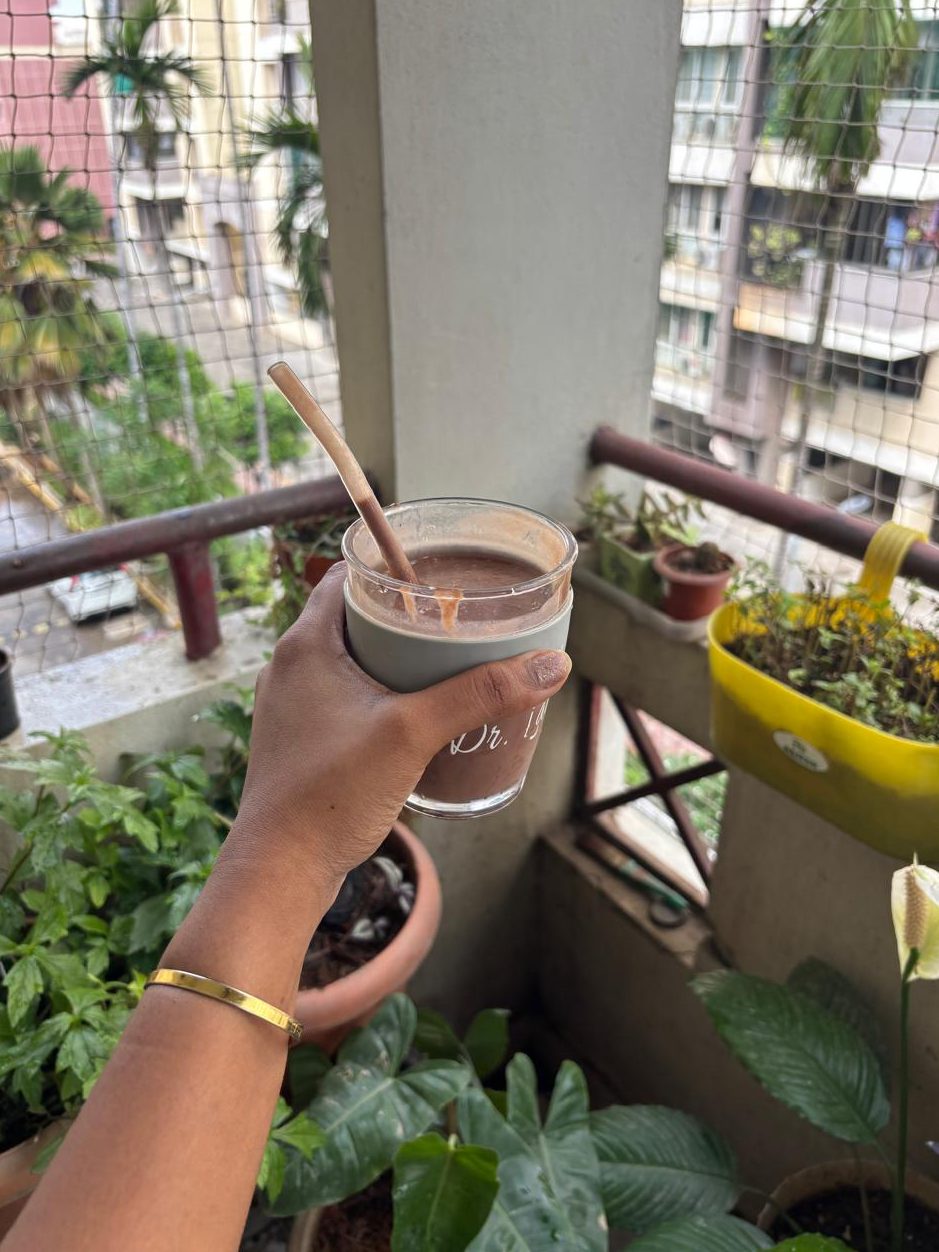
- Meditation, or at least trying to. And Breath work. “Swaasa meedha dhyaasa.” I’ll admit I’m not a consistent practitioner, even though I know regular meditation, even on the good days, is what builds long-term resilience. When my anxiety peaks, meditating feels nearly impossible. The Headspace app has been a huge help, though. (Not sponsored, I just really love it.) For beginners, I’d recommend their guided meditations on YouTube. Lately, I’ve been following their CBT for Anxiety and Depression program. What I love most is how much they emphasize being kind to yourself and your mind.
- Leaning on friends and family. This journey already feels isolating, especially for IMGs whose paths look so different from peers back home. Talking to close ones and simply ranting helps. There were times I felt completely lost and crushed under the weight of my own expectations, not even realizing I was burnt out until friends pointed it out and nudged me to take a break. They’ve patiently listened to my whining more times than I can count, always giving me the space I needed to let it out.
Burnout is overwhelming, especially because it is difficult to put into words. I often felt confused. To my understanding, there is no formal definition or diagnostic criteria for burnout. It is, rather, a deeply personal state that people experience differently and often struggle to describe. If it feels like too much to handle on your own, reaching out to a therapist or a psychiatrist would help.
Sources:
https://pmc.ncbi.nlm.nih.gov/articles/PMC9799176/
https://www.sciencedirect.com/science/article/abs/pii/B978012819973200006X?via%3Dihub

Leave a comment